The Future of AI Technology

A forward-looking perspective on the future of AI technology, including potential challenges and innovations.
Feb 5, 2026

In today's rapidly evolving digital landscape, organizations must balance innovation with stability to ensure long-term success. One of the most effective strategies for achieving this balance is reducing dependency on a single AI hardware and chipset framework. By adopting a diversified AI infrastructure, businesses can minimize risks associated with system failures, vendor lock-in, and technological obsolescence while simultaneously reaching a broader customer base.

The Risks of Single AI Architecture Dependency

Relying solely on one AI hardware or chipset architecture presents several challenges:

  1. Single Point of Failure: A failure in a specific AI chipset can lead to extensive downtime, impacting model training and inference capabilities.
  2. Vendor Lock-In: Businesses may face high switching costs and limited flexibility if they depend on proprietary AI hardware solutions.
  3. Scalability Limitations: A single AI architecture may not accommodate growth across different AI applications or technological shifts effectively.
  4. Security Vulnerabilities: A uniform AI system increases exposure to cyber threats, making the entire infrastructure susceptible to attacks.

Strategies for Risk Reduction in AI Hardware and ArchitecturesTo mitigate these risks, organizations should consider a multi-architecture approach by implementing the following strategies:

  1. Multi-Vendor AI Hardware Solutions: Deploying hardware from multiple vendors (e.g., NVIDIA, AMD, Intel, Google TPU) ensures operational redundancy and flexibility.
  2. Hybrid AI Processing Approaches: Utilizing a combination of CPUs, GPUs, TPUs, and emerging AI-specific chips (such as neuromorphic computing) improves resilience and adaptability.
  3. Interoperability and Open AI Standards: Leveraging open-source AI frameworks (e.g., TensorFlow, PyTorch, ONNX) facilitates compatibility across different AI hardware.
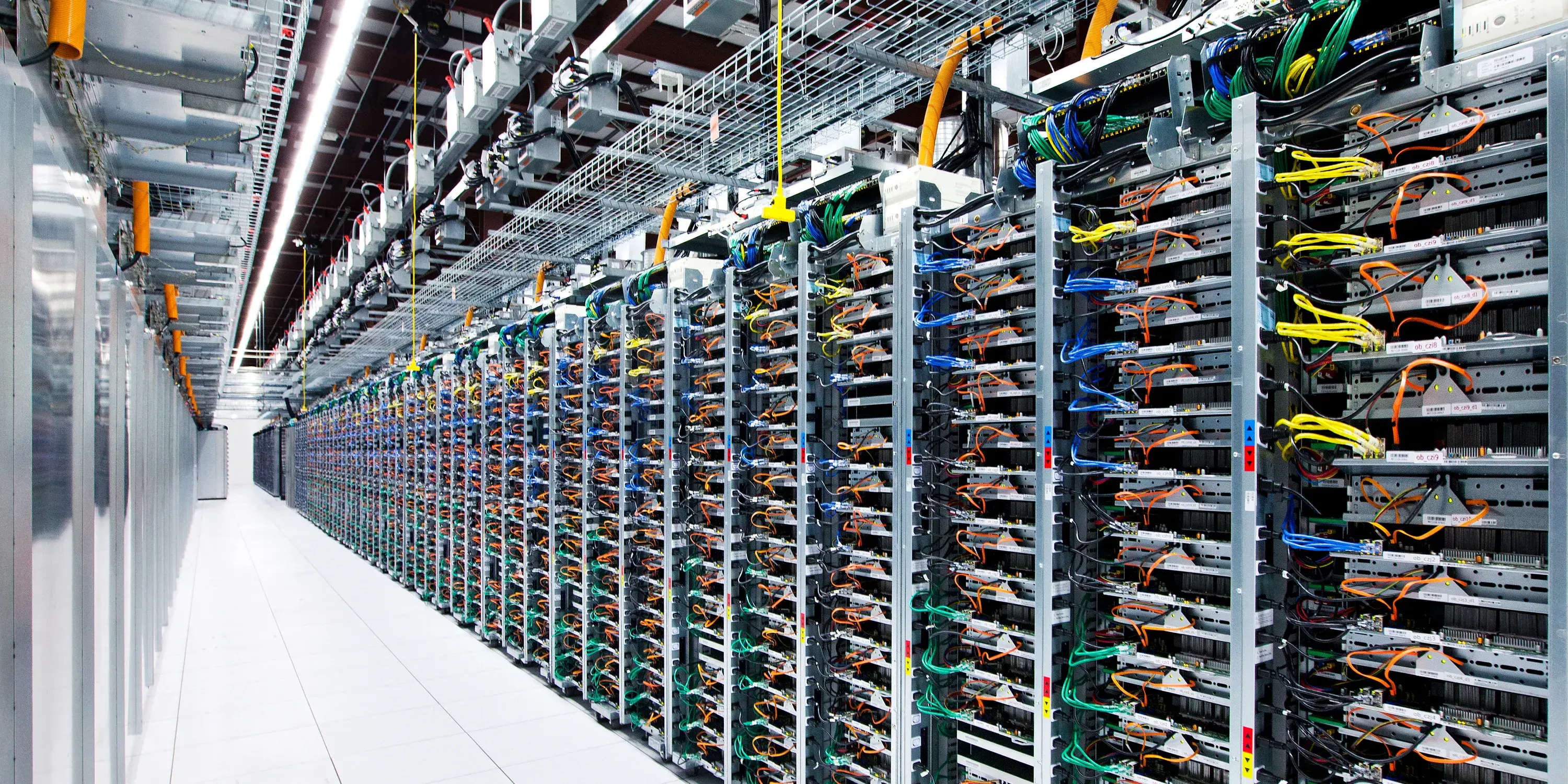
  4. Redundant AI Data Centers and Edge Deployments: Distributing AI inference workloads across multiple regions and edge devices minimizes the impact of localized failures and enhances real-time processing.
  5. Continuous AI Performance Monitoring and Optimization: Implementing automated workload balancing and performance analytics enables proactive risk management and maximizes efficiency.

Expanding Customer Reach Through AI Architectural DiversityBeyond risk reduction, architectural diversification enhances an organization's ability to serve a broader customer base. A flexible, scalable AI infrastructure allows businesses to:

  • Adapt to regional and regulatory AI requirements more efficiently.
  • Offer tailored AI solutions that meet diverse customer needs.
  • Ensure a seamless and reliable AI-driven user experience, regardless of device or deployment environment.

ConclusionAdopting a diversified AI hardware and chipset architecture is a critical strategy for businesses seeking to minimize risk and expand their market presence. By leveraging multi-vendor AI environments, modular processing strategies, and open AI standards, organizations can enhance operational resilience while delivering superior AI-powered experiences to a global customer base. In an era where agility and adaptability are paramount, reducing reliance on a single AI architecture is not only a risk-mitigation strategy but also a key driver of sustained growth and competitive advantage.

Take the next step

Discover how ABD can help you make the biggest impact for your AI data centers

Contact Us